

- What Is Miso Soup
- What Miso Soup Is Made From
- What Miso Paste Is and Which One to Choose
- What Dashi Is and How to Make It
- Miso Soup — Classic Recipe
- How to Make Miso Soup at Home
- Why Miso Paste Should Not Be Boiled
- Simple Miso Soup Recipe
- How to Substitute Hard-to-Find Japanese Ingredients
- What Can Be Added to Miso Soup
- Common Mistakes When Making Miso Soup
- What to Serve with Miso Soup
Miso soup is a Japanese soup based on dashi broth and fermented miso paste. Tofu, wakame seaweed, green onions, mushrooms, or seafood are often added to it. At home, you can prepare a version close to the classic one or make a simplified version using products that are easier to find in Ukraine.


What Is Miso Soup

Miso soup is not a single strictly fixed recipe but a group of Japanese soups. The dish consists of two basic parts: broth and miso paste. Traditional versions often use dashi, while the additional ingredients may vary depending on the season, region, and specific recipe.
In short, miso soup is a light broth with a pronounced umami flavor in which fermented miso paste is dissolved. Tofu, wakame, and other additions complement the base but should not overpower its flavor.
What Miso Soup Is Made From
The basic ingredients for miso soup are dashi and miso paste. The most common additions include tofu, dried wakame seaweed, and green onions. Shiitake mushrooms, daikon, spinach, leeks, shrimp, salmon, shellfish, or vegetables can also be added to the soup.
There is no need to combine all the ingredients in one pot. Miso soup often has a simple composition with two or three additions that can be clearly tasted in the broth.

What Miso Paste Is and Which One to Choose
Miso is a fermented paste usually made from soybeans, salt, and koji. Depending on the type, it may also contain rice, barley, or other grains. The paste gives the soup saltiness, richness, and its characteristic umami flavor.
White Miso
White miso has a mild flavor, moderate saltiness, and a slight sweetness. It is a convenient choice for making miso soup at home for the first time because it makes it easier to control the richness of the broth.
Red Miso
Red miso has a more intense and salty flavor. It is better to add it gradually, especially if you do not yet know how concentrated a particular paste is.
Mixed Miso
Mixed miso combines the characteristics of several types. It can be either quite mild or rich, so it is better to focus on the taste of the product rather than its name alone.
What Dashi Is and How to Make It
Dashi is a basic Japanese broth that creates the characteristic umami flavor. One of the classic versions is made with kombu and katsuobushi — dried bonito flakes.
Kombu is placed in water and gradually heated without allowing the water to reach an active boil. The seaweed is then removed, katsuobushi is added, the broth is left to steep for a short time, and then strained. This is not the only type of dashi: there are also versions made with kombu, dried shiitake mushrooms, and other ingredients.
Miso Soup — Classic Recipe

A classic homemade miso soup recipe can be prepared with ready-made dashi, adding tofu, wakame, and green onions. The proportions below are for approximately 2–3 servings.
Ingredients
- dashi broth — 750 ml;
- miso paste — 2–3 tbsp;
- tofu — 120–150 g;
- dried wakame — 3–5 g;
- green onions — 2–3 stalks.
The amount of miso paste is approximate. Different types vary in saltiness and intensity, so it is better to add less at first, taste the broth, and increase the amount if needed.
How to Make Miso Soup at Home
- Prepare the dashi or gently heat ready-made broth.
- Prepare the wakame according to the instructions on the package.
- Cut the tofu into small cubes.
- Add the tofu and wakame to the hot broth and warm for a few minutes.
- Pour a small amount of broth into a separate bowl and dissolve the miso paste in it until smooth.
- Reduce the heat under the pot.
- Pour the dissolved miso back into the soup and stir.
- After adding the paste, do not bring the soup to an active boil.
- Add chopped green onions and serve.
It is more convenient to dissolve the paste separately first: this allows it to mix evenly with the broth without forming lumps. It also makes it easier to control the saltiness of the finished soup.
Why Miso Paste Should Not Be Boiled
After adding miso, it is better to simply warm the soup. Prolonged active boiling makes the characteristic aroma of the paste less pronounced.
That is why miso is added closer to the end, when the other ingredients are already cooked. There is no need to boil the paste together with the broth for several minutes.
Simple Miso Soup Recipe
If kombu and katsuobushi are difficult to find, a simple miso soup recipe can be adapted. Use water or a light vegetable broth as the base, then add miso paste, tofu, wakame, green onions, and mushrooms. Dried shiitake mushrooms work well, but button mushrooms can also be used.
This version will not be a complete copy of traditional dashi-based soup, but it allows you to recreate its basic character. In the adapted recipe, miso paste is also added at the end and should not be subjected to prolonged boiling.
How to Substitute Hard-to-Find Japanese Ingredients
Katsuobushi can be omitted if you make kombu dashi or mushroom broth with dried shiitake. Fresh shiitake can be replaced with dried shiitake or button mushrooms, while thinly sliced leeks can be used instead of green onions.
It is better not to replace tofu with dairy cheese, as this will noticeably change the flavor and texture. If tofu is unavailable, the soup can simply be prepared without it. Other types of seaweed can be used instead of wakame only with consideration for their texture and preparation method.
Soy sauce is not a substitute for miso paste. It can add saltiness and umami, but it will not reproduce the flavor and texture of fermented miso.
What Can Be Added to Miso Soup

Tofu, wakame, shiitake, green onions, daikon, spinach, shrimp, salmon, shellfish, eggs, and vegetables can be added to miso soup. It is better to choose a few ingredients that work well together rather than using everything at once.
For example, tofu pairs well with wakame and green onions, while mushrooms work well with daikon or spinach. Seafood should also be added in moderation so that it does not overpower the flavor of the miso and broth.
Common Mistakes When Making Miso Soup
The most common mistake is using too much miso paste. This makes the broth overly salty, so it is better to increase the amount gradually. If the paste is added to the pot in one lump, it may dissolve unevenly.
Active boiling after adding miso weakens the aroma of the paste. Only a small amount of dried wakame is needed as well, because it expands significantly after soaking.
Another extreme is adding too many fillings. A few well-chosen ingredients preserve the balance of the soup better than a large mixture of vegetables, mushrooms, and seafood.
What to Serve with Miso Soup


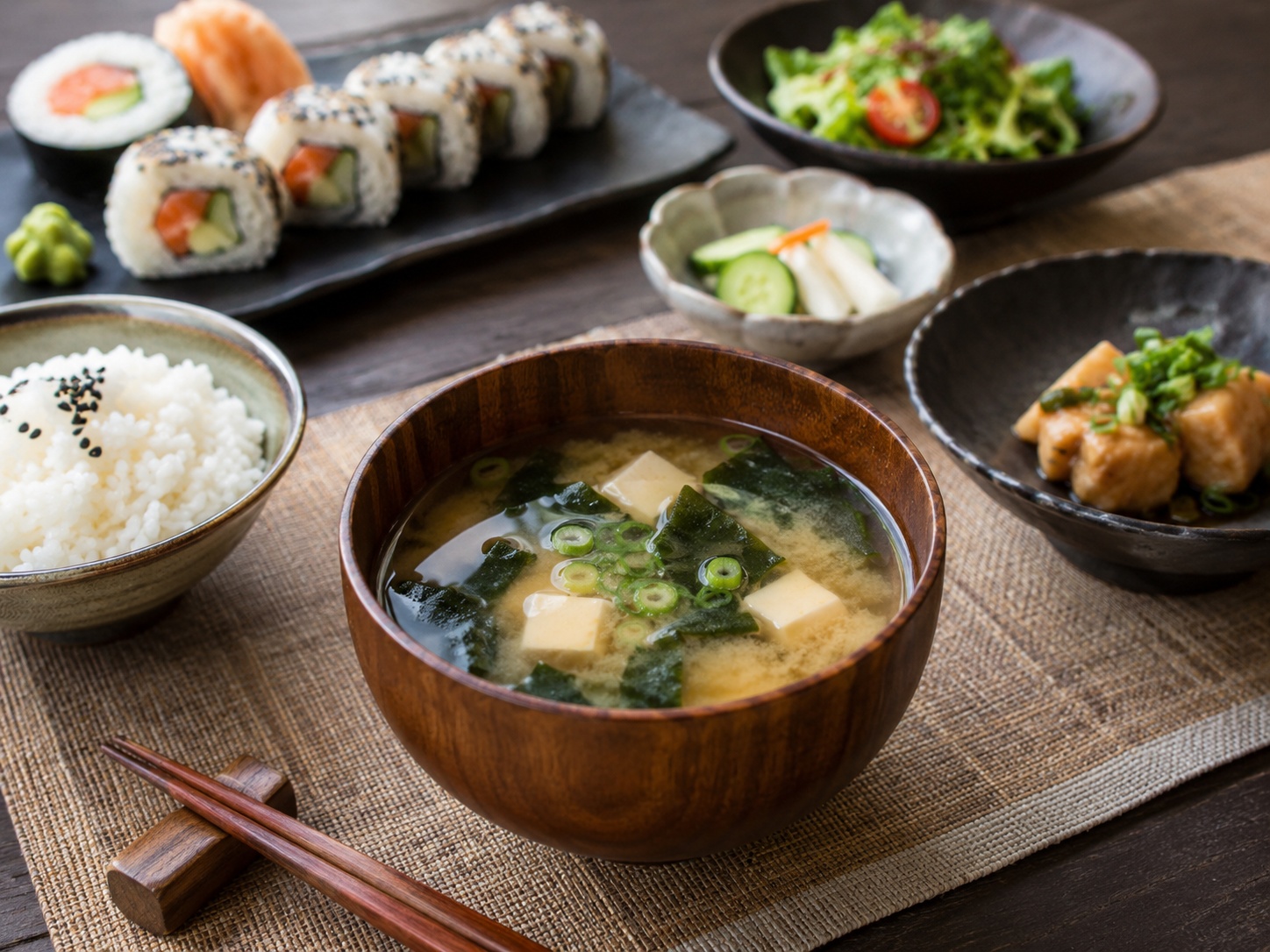
In Japanese cuisine, miso soup can be part of a complete meal together with rice, fish, vegetables, and small side dishes. It is not necessarily served as a separate first course before the main meal.
The flavor of miso pairs well with ingredients familiar from sushi and rolls: rice, seaweed, salmon, and shrimp. And if you would rather have ready-made Japanese dishes instead of cooking at home, at Roll Club you can order sushi, choose sushi sets for a group, or try sushi burgers with different fillings. This way, the brand mention remains relevant to the topic of the article and does not distract from the recipe itself.
Order your favorite rolls
-
 OriginalMega PhiladelphiaIngredients: salmon, avocado, cucumber, cream cheese Philadelphia, rice, nori. Amount per serving: 8 pcs Weight: 425 g79 zł 8 pc | 425 gOrder
 -
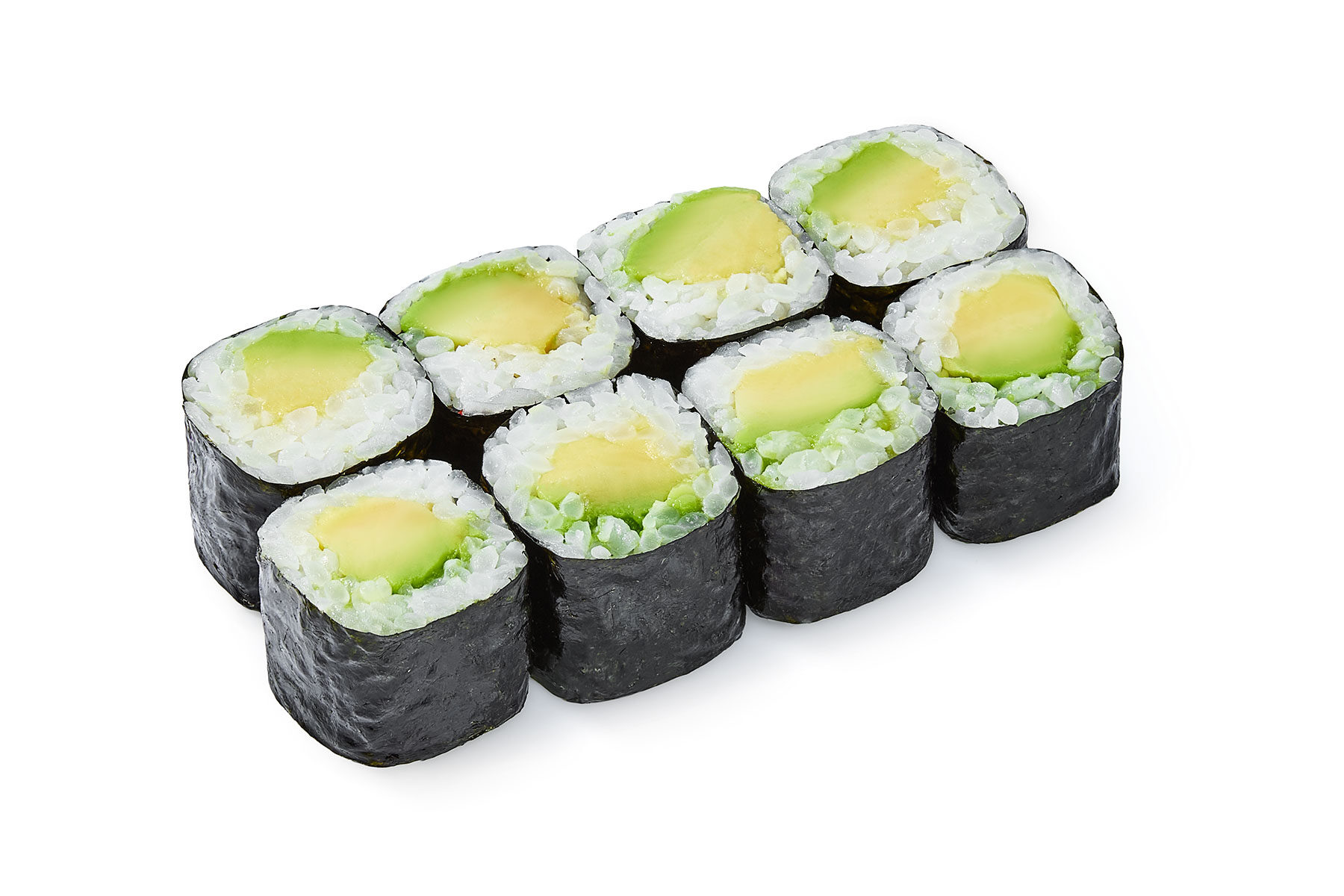
Maki with avocadoIngredients: avocado, rice, nori. Amount per serving: 8 pcs Weight: 115 g14 zł 8 pc | 115 gOrder
-
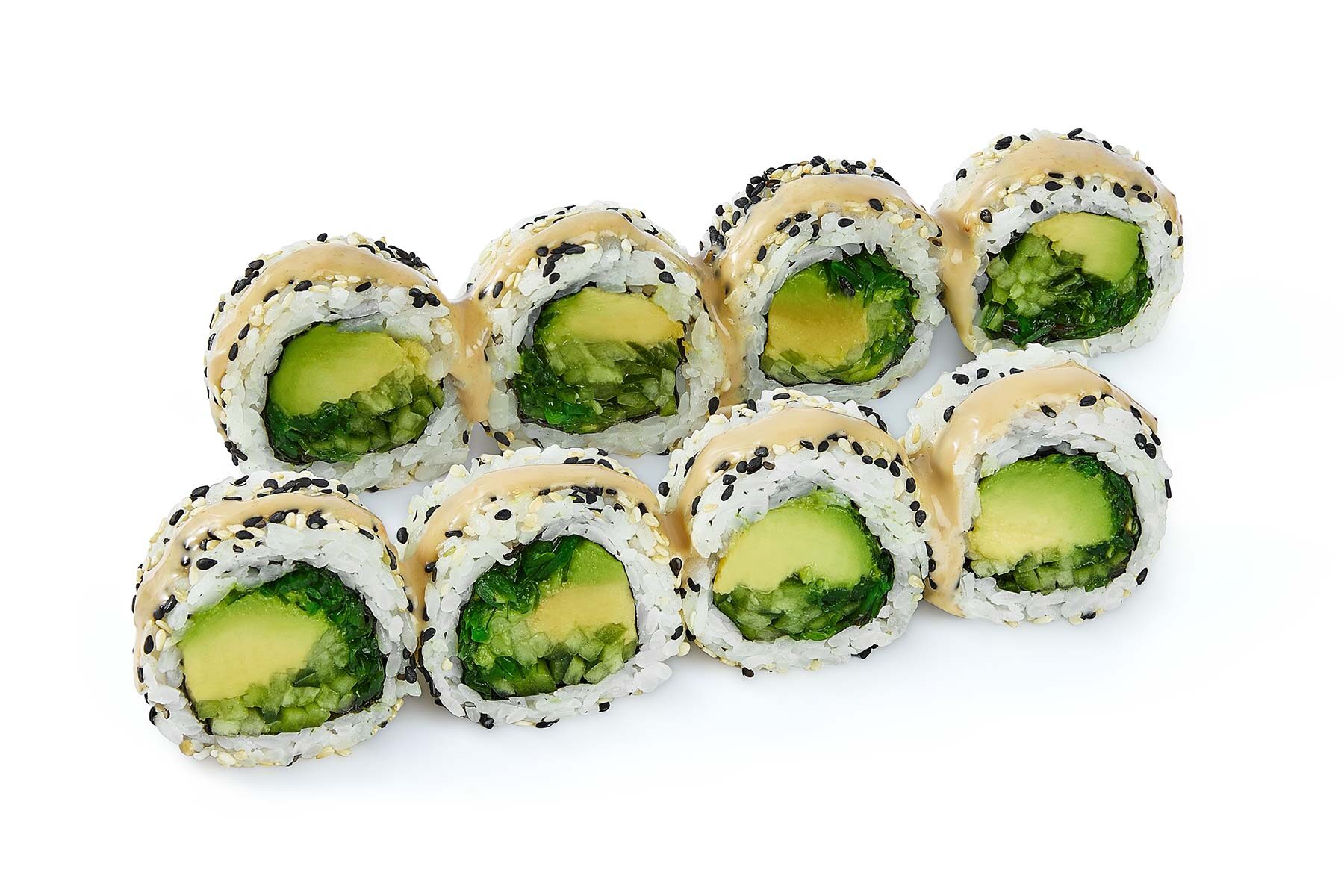
Green GardenIngredients: avocado, cucumber, chuka seaweed, peanut sauce, sesame, rice, nori. Amount per serving: 8 pcs Weight: 210 g19 zł 8 pc | 210 gOrder
-
Vega CrunchIngredients: tempura vegetables (paprika, onion, zucchini, tempura batter), kampyo, takuan, peanut sauce, rice, nori. Amount per serving: 8 pcs Weight: 300 g22 zł 8 pc | 300 gOrder