
Nori seaweed is an integral part of Japanese cuisine, without which it is difficult to imagine preparing your favorite rolls. It is the nori leaves that make sushi not only convenient to serve, but also give it a characteristic marine flavor. Over time, this product has spread far beyond Japan and gained popularity all over the world.
Nori seaweed in nature

Nori seaweed is found in nature mainly in the coastal zones of the Pacific Ocean – off the coasts of Japan, China and Korea. It grows in clean, cold waters with strong currents, because it is this environment that ensures its saturation with minerals. These marine plants belong to the genus Porphyra, which has several dozen species.
How to grow nori seaweed
Nori attach to rocky surfaces or corals, forming dense underwater “carpets”. They require sufficient sunlight to develop, so they grow in coastal areas at shallow depths. These algae are considered seasonal: they develop most actively in winter and early spring, when the water is rich in nutrients.
Traditional collection
In ancient times, harvesting nori was a laborious process. Local fishermen and farmers would go ashore at low tide, collect the seaweed by hand, and dry it directly in the sun, spreading it in a thin layer on bamboo racks. The taste and texture of the future sheets depended on the quality of the drying.
Modern farms
Today, the technology has improved significantly. Algae is grown on special marine farms: on ropes or nets immersed in water. This allows for stable yields and quality control. Thanks to this approach, nori leaves have become available in large quantities and have retained their natural properties.
Climate and growing conditions directly affect the quality of the product. The cleaner and colder the waters, the richer the taste and aroma of nori sheets for sushi. That is why Japan is still considered the benchmark for growing the best varieties.
Interesting fact
Nori seaweed cultivation began in Japan in the 17th century. Initially, it was done spontaneously using bamboo poles placed in water. Over time, methods were refined, and today Japan is the world leader in the production of premium nori, which is considered the gold standard for sushi.
How to make nori sheets?

The technology of making nori has a long history and originated in Japan several centuries ago. At first, everything was very simple: the collected seaweed was finely chopped, mixed with water and spread in a thin layer on bamboo grates. Under the influence of the sun, the mass dried and turned into thin, flexible plates that resembled sheets of paper. It was this method that became the basis of modern production technology.
Modern manufacturing process
Today, production has improved significantly, but the principles remain the same:
- Collection and cleaning. After collection, fresh seaweed is thoroughly washed in running water to remove sand, pebble residues, and other impurities.
- Grinding. Clean algae is ground into a large mass that resembles a thick paste in consistency.
- Forming sheets. The resulting mass is evenly distributed in a thin layer in special frames. This stage is similar to paper production, as the mass is also stretched into a thin plane.
- Drying. The leaves are dried in ovens at a controlled temperature. This allows the color, aroma and all the nutrients to be preserved.
- Sorting and packaging. The finished sheets are checked for density, uniformity and color, then sorted by quality (A, B, C). They are then packed in airtight packages that protect the product from moisture and sunlight.
Natural and flavored nori
There are two main types of sheets available on the market:
- Natural ones have a pure marine flavor, a classic option for sushi and rolls.
- Flavored — often toasted and seasoned with soy sauce, sesame seeds, or even hot spices — these nori are popular as appetizers or snacks.
Interesting fact
In Japan, there is a tradition of toasting nori sheets just before making sushi. This makes them crispier and more flavorful, and also helps them hold their shape better when rolled.
Varieties and types of nori for sushi

Nori leaves for sushi are divided into several quality categories:
- A (Gold or Premium ) – dense, dark, shiny leaves that hold their shape perfectly and have a rich flavor.
- B (Silver) – thinner, sometimes lighter, suitable for simple rolls and home use.
- C (Standard) – softer and not always smooth, but quite suitable for making snacks.
It is best to use category A for sushi – these are the sheets that guarantee a beautiful appearance and the right texture.
Benefits of nori seaweed

Nori seaweed is considered a true superfood. It combines low calories, high nutritional value, and a unique set of vitamins and minerals, making it beneficial for people of all ages and lifestyles.
Rich composition
- Iodine – contributes to the proper functioning of the thyroid gland.
- Calcium – strengthens bones and teeth.
- Iron — helps prevent anemia and maintains energy levels.
- Vitamin A – improves vision and skin condition.
- Vitamin C – strengthens immunity.
- B vitamins are responsible for the functioning of the nervous system and metabolism.
- Omega-3 fatty acids — support cardiovascular health.
Benefits for the body
- For digestion. Thanks to its high fiber content, nori improves intestinal function, helps cleanse the body, and normalizes cholesterol levels.
- For immunity. Antioxidants and vitamin C protect the body from infections and free radicals, slowing down the aging process.
- For the heart and blood vessels. Nori contains omega-3 acids, which reduce the risk of atherosclerosis, stabilize blood pressure, and maintain a healthy heart rhythm.
- For the brain and nervous system. B vitamins and magnesium have a positive effect on concentration, memory, and stress resistance.
- For beauty and skin. Thanks to its microelements and antioxidants, nori improves the condition of hair, nails, and skin, making them healthier and more radiant.
For those on a diet
Nori seaweed is an ideal product for people who watch their figure:
- low calorie content (10–35 kcal per leaf);
- give a feeling of satiety thanks to protein and fiber;
- do not contain sugar and excess fats;
- suitable for vegetarians and vegans as a source of vegetable protein.
Interesting fact
In Japan, nori is often called “sea vegetables” because it is just as healthy as fresh greens. It is even recommended for children to strengthen their immune system.
Secrets of choosing nori

The quality of nori leaves directly affects the taste of sushi, so it is important to know how to choose the right product. On the market you can find both premium options and cheap analogues that differ significantly in appearance and taste.
How to distinguish quality nori sheets
- The color is dark green or deep black, shiny. If the color is dull or brown, it is a sign of poor quality.
- Texture – the sheet should be dense, elastic, without holes. High-quality nori does not crumble in your hands.
- The aroma is a fresh sea scent without any foreign notes. If there is a smell of damp, fish, or mold, it is better to avoid buying.
- Uniformity – a good sheet is uniform in thickness and color across the entire surface, without spots or thin areas.
Signs of freshness and proper packaging
- The packaging must be airtight and tightly closed.
- The label must indicate the date of manufacture and expiration date.
- It is advisable to store nori in a vacuum or in a package with a desiccant – this protects it from spoilage.
- The product should be stored in a dry, dark place, away from sunlight.
What to look for when buying
- Quality category – for making rolls, it is better to use grade A (Premium) nori. It keeps its shape, does not get soggy, and has a rich taste.
- Country of manufacture — the best options usually come from Japan or Korea.
- Purpose – thick sheets are needed for sushi, and thinner ones can be used for snacks or soups.
- Price – a product that is too cheap almost always means lower quality, as growing and producing it requires significant costs.
Useful life hack
If you are in doubt about the quality, try lightly toasting a sheet of nori in a dry pan. A good product will become even crispier and retain its sea flavor, while low-quality sheets will burn quickly and give off an unpleasant odor.
Nori in modern cooking

Today, nori seaweed is used not only in sushi. It is an ingredient in salads, soups, rice dishes, and has also become popular as a healthy snack. Thin, toasted sheets of nori are often sold as chips, making it a tasty and low-calorie snack.
Sushi delivery in Warsaw and nori roll

The quality of nori directly affects the taste of sushi. If the sheets are brittle or have an off-flavor, the dish loses its aesthetics and balance of flavors. That is why it is so important to choose restaurants that work only with proven suppliers.
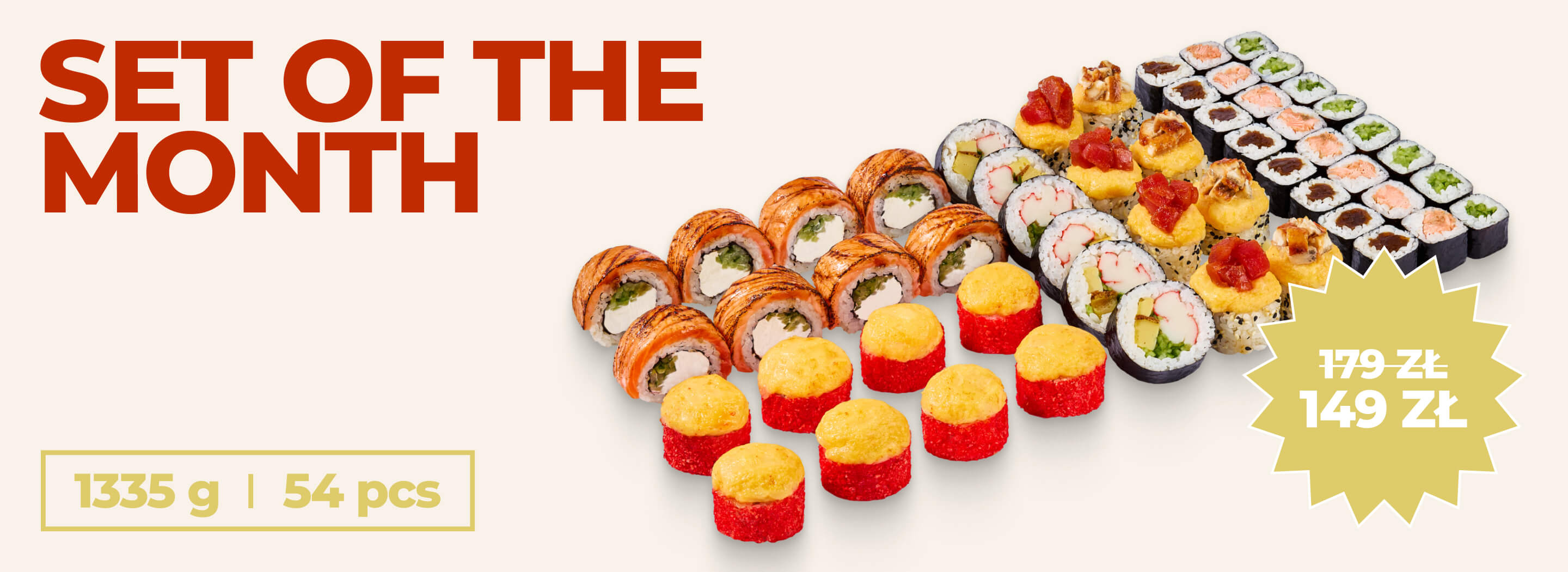
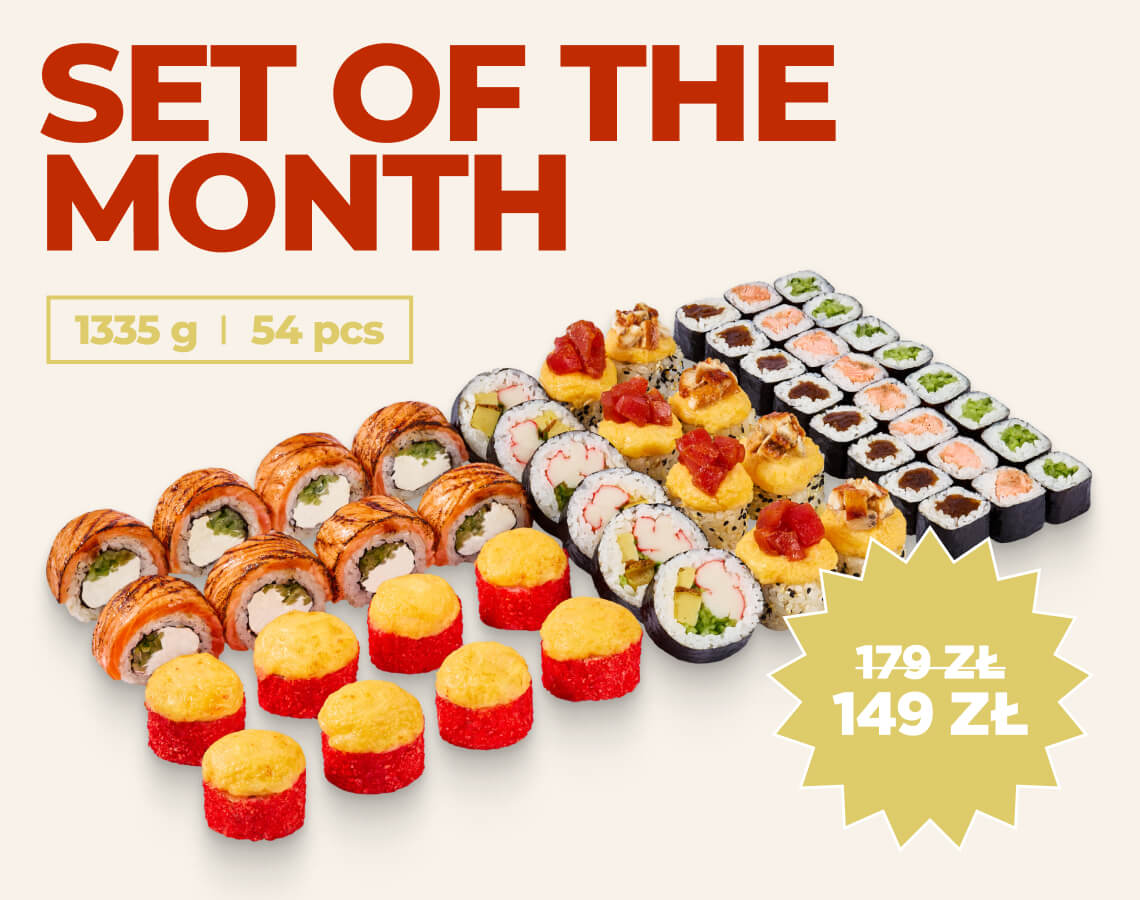
At Roll Club, we use only premium nori for sushi. This ensures that each roll is perfectly wrapped, fresh and delicious. And convenient sushi delivery in Warsaw allows you to enjoy your favorite dishes at home or at work at any time.


Conclusion
Nori seaweed is a unique product that combines benefits and exquisite taste. High-quality nori leaves make sushi a true work of culinary art.
If you value freshness and quality, choose Roll Club. Order sushi online and enjoy the true pleasure of Japanese cuisine in Warsaw.


